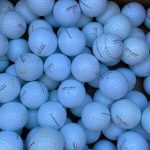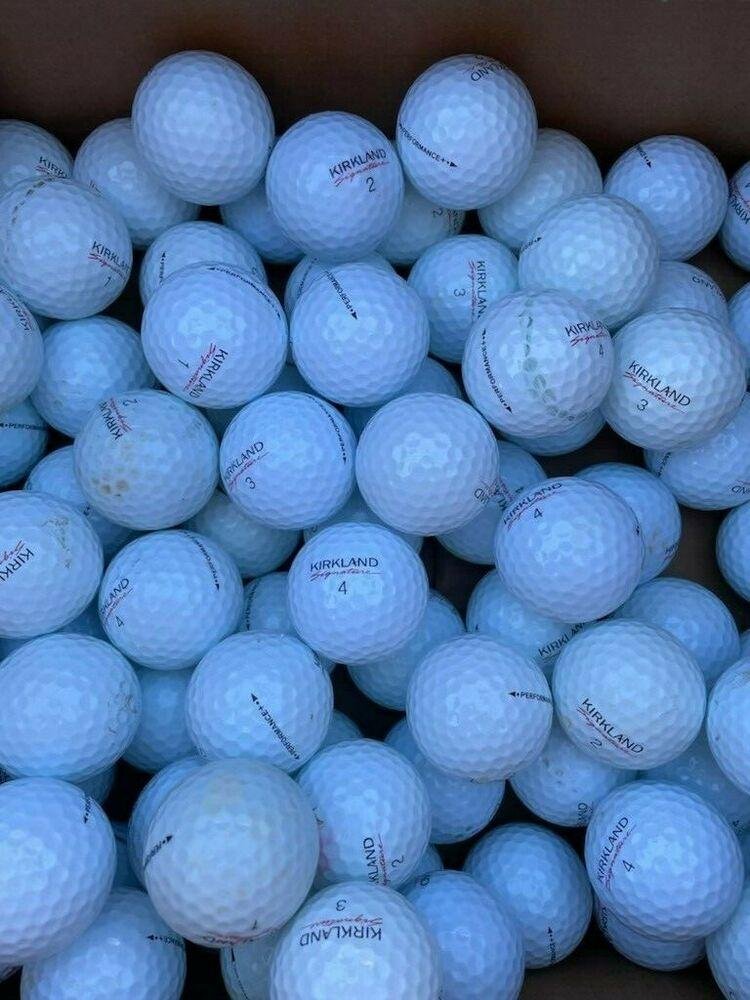
Imagine losing a sleeve of brand new Pro V1s on the back nine. Ouch. That’s why many golfers, from weekend warriors to seasoned players, are turning to buying 100 used golf balls to soften the blow to their wallets and their egos. Stock up on golf balls Whether you’re looking to practice without fear of financial loss or simply save some cash, buying used can be a smart move.
At a glance:
- Buying used golf balls can save you significant money compared to buying new.
- Used golf balls are graded based on condition, allowing you to choose the quality you need.
- There are many places to buy used golf balls, both online and in physical stores.
- Consider the type of golf course you play on when choosing the grade of used golf balls.
- Purchasing in bulk (like a pack of 100) often provides the best value.
Why Consider Used Golf Balls?
Let’s face it: golf can be an expensive hobby. Between greens fees, equipment, and lessons, the costs can quickly add up. Golf balls themselves, especially premium brands, can be a significant expense, particularly if you tend to donate more than a few to the water hazards and wooded areas of the course each round. Purchasing used golf balls drastically cuts down on this cost. You can save up to 90% off retail prices, according to GolfBallPlanet.com.
Savings examples: A new Titleist Pro V1 might cost $50 per dozen or more. A used Pro V1, depending on the condition, could be found for less than half that price.
Beginner Advantage: For new golfers still developing their skills, using premium new balls might be unnecessary. Used golf balls provide an affordable way to practice and improve without worrying about the cost of lost balls.
Understanding Used Golf Ball Grading
Not all used golf balls are created equal. They are typically graded based on their condition, which affects their price and performance. Here’s a breakdown of the common grading categories:
- AAAA or Mint Grade: These are the highest quality used golf balls, often looking and performing nearly as well as new. They may have very minor cosmetic imperfections but will generally lack any significant scratches, abrasions, or discoloration.
- AAA or Near Mint Grade: These golf balls might have slight cosmetic blemishes, such as minor scuffs or pen marks. However, they should still be in excellent playing condition and offer great performance.
- AA Grade: AA grade balls will show more noticeable wear and tear, including scuffs, scratches, and some discoloration. They are still playable but might not offer the same level of performance as higher-grade balls.
- Grade A or Practice Grade: These are the lowest grade used golf balls. They will have significant cosmetic imperfections, including noticeable scratches, scuffs, and discoloration. They may also have pen markings or logos. These are best suited for practice or casual play where performance is not a primary concern. Grade A balls provide players Used Golf Balls: Worth It with an affordable way to work on their game without the worry of premium cost.
The grade you choose depends on your budget and playing style. If you demand the best possible performance, stick to AAAA or AAA grade balls. If you’re more concerned with saving money, AA or Grade A balls might be a better option.
Where to Buy 100 Used Golf Balls
You have several options when it comes to purchasing used golf balls:
- Online Retailers: Websites like eBay, Amazon, and specialized used golf ball retailers (like GolfBallPlanet.com) offer a wide selection of used golf balls at competitive prices. Online retailers provide convenience and a large inventory to choose from.
- Sporting Goods Stores: Some sporting goods stores, such as Dick’s Sporting Goods or Golf Galaxy, sell used golf balls in addition to new ones. This allows you to inspect the balls in person before purchasing them.
- Golf Courses: Many golf courses collect and resell found golf balls. These are often sold at a discount, though the quality may vary. Buying direct from the course is a good supporting business.
- Online Marketplaces: Online marketplaces, such as Facebook Marketplace and Craigslist, can be a good source for finding local sellers of used golf balls.
- Direct from Divers: Some companies employ divers to retrieve golf balls from water hazards. These balls are then cleaned, graded, and sold to consumers.
Before you buy: Consider the seller’s reputation and return policy, especially when buying online. Reading reviews can provide valuable insights into the quality of the golf balls and the seller’s customer service.
Factors to Consider When Buying
Beyond the grade of the balls, several other factors influence your final decision:
- Brand and Model: Certain brands and models, such as Titleist Pro V1, TaylorMade TP5, and Callaway Chrome Soft, are more popular and tend to hold their value better, even when used. If you prefer a specific ball, you may need to pay a premium for it. Find Your Perfect Golf Balls
- Price: Compare prices from different sellers to ensure you’re getting a fair deal. Keep in mind that the lowest price doesn’t always mean the best value. Factor in the grade of the balls and the seller’s reputation.
- Quantity: Buying in bulk, such as a pack of 100 used golf balls, from retailer such as GolfBallPlanet.com often offers the best price per ball. This is a good option if you frequently lose balls or want to stock up for practice.
- Course Conditions: The type of golf course you play on can influence the grade of used golf balls you choose. If you play on a course with lots of water hazards and dense rough, you might be better off with lower-grade balls since you’re more likely to lose them. If you play on a well-maintained course with fewer hazards, you might prefer higher-grade balls for better performance.
Debunking Common Myths About Used Golf Balls
- Myth: Used golf balls don’t perform as well as new golf balls. While heavily damaged balls can certainly impact performance, high-quality used golf balls (AAAA or AAA grade) perform very similarly to new balls. Independent testing has shown that the performance difference between new and lightly used golf balls is often negligible.
- Myth: All used golf balls are the same. As discussed earlier, used golf balls are graded based on their condition. The grade directly impacts the price and performance of the ball.
- Myth: You can’t trust the grading of used golf balls. While grading can be subjective, reputable sellers adhere to specific grading standards. Reading reviews and checking the seller’s return policy can help you avoid being misled. Divers retrieved Titleist used golf balls from popular water hazards are a great way to reuse and recycle these items.
Cleaning and Maintaining Your Used Golf Balls
To ensure your used golf balls perform their best, it’s important to keep them clean. Here are a few tips:
- Wash your golf balls after each round: Use warm soapy water and a soft brush to remove dirt, grass stains, and other debris.
- Avoid using harsh chemicals or abrasive cleaners: These can damage the cover of the golf ball and affect its performance.
- Dry your golf balls thoroughly before storing them: This will prevent mold and mildew from forming.
- Store your golf balls in a cool, dry place: Avoid storing them in direct sunlight or extreme temperatures, as this can degrade the rubber and affect their performance.
Is Buying Used Golf Balls Right for You? A Quick Checklist
Ask yourself these questions to determine if buying used golf balls is the right choice for your game:
- What’s your budget? Are you looking to save money on golf balls?
- What’s your skill level? Are you a beginner or an experienced golfer?
- How often do you lose golf balls? Do you need a large quantity of golf balls?
- What type of course do you play on? Does the course have lots of hazards?
- What’s your priority: performance or value? Do you prioritize performance over price?
If you answered “yes” to most of these questions, buying used golf balls is likely a smart choice.
Making the Most of Your Used Golf Ball Purchase
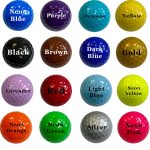
- Start with a Variety: If you’re unsure what type of ball suits your game best, consider purchasing an assorted pack of used golf balls. This allows you to try different brands and models without investing a lot of money.
- Consider Refurbished Options Carefully: Refurbished golf balls are used golf balls that have been refinished to look like new. While they may appear appealing, the refinishing process can sometimes affect their performance. Consider this before purchasing.
- Don’t Be Afraid to Experiment: Buying used golf balls gives you the freedom to experiment with different brands and models without breaking the bank. Use this opportunity to find the perfect ball for your game.
- Inspect Your Balls Regularly: Check your golf balls for any signs of damage, such as cuts, cracks, or excessive wear. Replace any damaged balls to ensure consistent performance.
Level Up Your Game Without Breaking the Bank
Buying 100 used golf balls is a fantastic way to save money and still enjoy the game. By understanding grading, knowing where to shop, and considering your individual needs, you can make a smart purchase that benefits your wallet and your game. Don’t be afraid to give used golf balls a try! You might be surprised at the performance and value they offer. When golfers Get Your Golf Balls Here, they quickly discover that the benefits outweigh any minor cosmetic imperfections. Get ready to hit the links with confidence, knowing you’ve made a savvy choice.

Whether testing new equipment or exploring the world’s best courses, I'm brings fresh, easy-to-understand content that makes golf accessible for everyone. Follow along and elevate your game with expert advice, every day.
- Bag of Golf Balls Great Deals on Recycled Balls - March 31, 2026
- 100 Used Golf Balls: Score a Great Deal Today - March 31, 2026
- Experience Estrella Golf Club: A Nicklaus Gem in the Arizona Desert - March 30, 2026